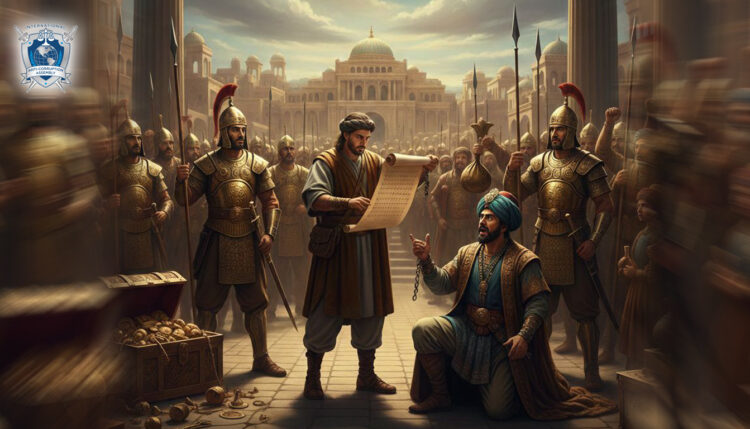
The First Professional Audit in the History of Empires
When a state grows to the scale of a vast empire, local corruption becomes the main threat to its integrity. The Persian Empire during the time of Darius I (6th century BC) invented a system that became the forefather of modern regulatory bodies.
The Problem: The Tyranny of Satraps
Persia was divided into provinces called satrapies. Satraps held almost unlimited power: they collected taxes, commanded armies, and administered justice. The distance from the capital allowed them to hide embezzlement for years and oppress the people, creating their own “corruption kingdoms.”
Darius I's Solution: Independent Oversight
Darius understood that corruption cannot be defeated by decrees alone; constant supervision is required. He created the position of royal inspectors, famously known as “The Eyes and Ears of the King.”
The Inspectors' Operation:
Independence: Auditors reported directly to the King and were independent of local satraps.
Surprise Audits: They appeared in provinces without warning, often incognito, to see the actual state of affairs rather than “staged” displays.
Secret Network: Inspectors maintained their own network of informants among the local population.
Military Support: Each auditor was accompanied by a detachment of the Royal Guard, giving them the power to arrest even the most influential satrap on the spot.
Genesis Conclusion:
The Persian experience proved: to fight systemic corruption, an authority is needed that possesses a higher vertical of command and total independence from those it audits. “The Eyes and Ears of the King” became history’s first example of professional state auditing.